
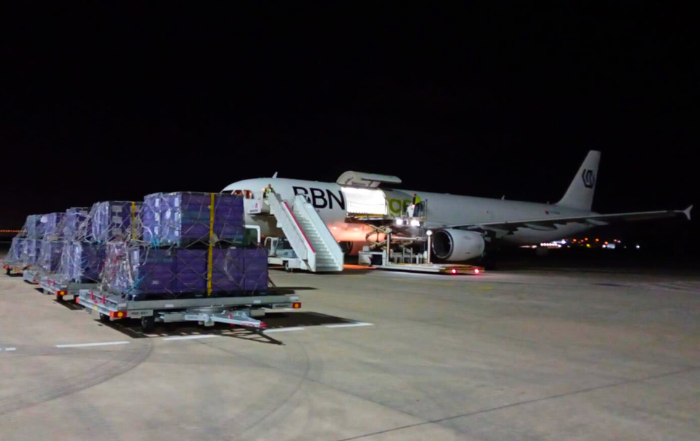
International supply chains rely on coordination, predictability, and timing. When one of these elements is disrupted, the effects quickly spread across the entire transport network.
In recent weeks, two different situations created operational pressure in various points of the European and international logistics chain.
Two consecutive crises – the same pressure on deliveries
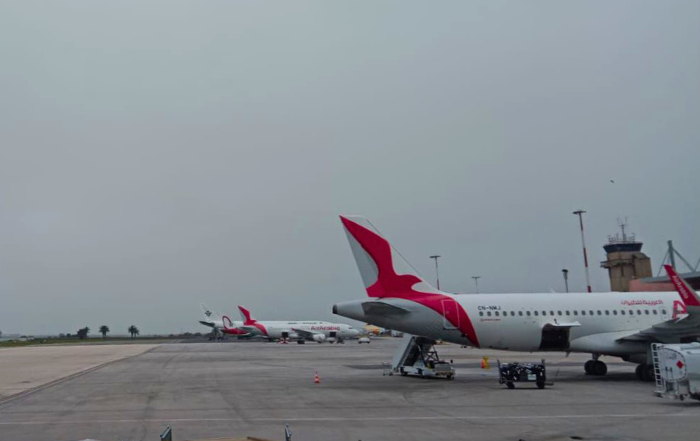
After the situation in Serbia, where the drivers’ strike had a direct impact on road freight transit, generating blockages and delays across European corridors, a new crisis situation followed – this time in Morocco. Adverse atmospheric conditions affected transport scheduling and cargo handling operations, creating uncertainty regarding delivery deadlines to Europe.
Different causes – the same pressure on commercial flows.
For companies operating under strict contractual deadlines, even short delays can generate additional costs, production disruptions, or contractual risks. In such contexts, traditional transport routes are no longer sufficient, and rapid response becomes essential.
Rapid intervention – alternative logistics solutions from Morocco
Facing the disruptions generated by adverse atmospheric conditions in Morocco, World MediaTrans responded by reorganizing logistics flows and implementing alternative transport solutions.
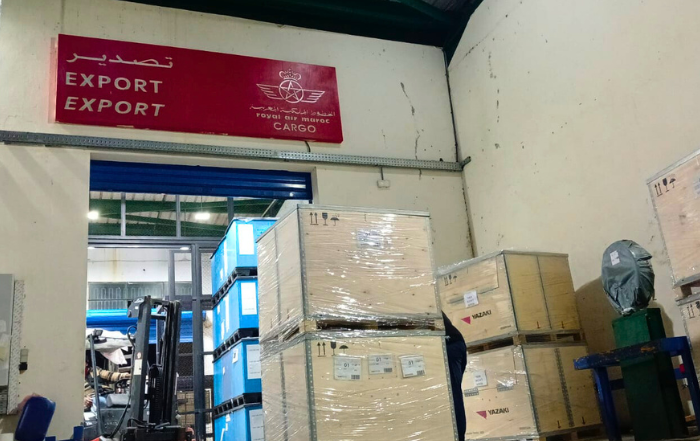
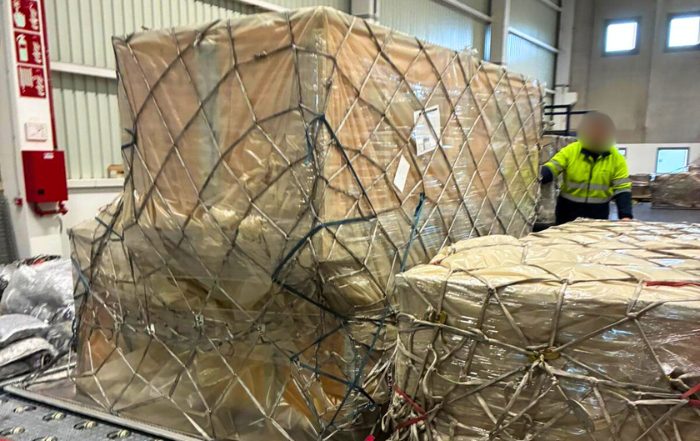
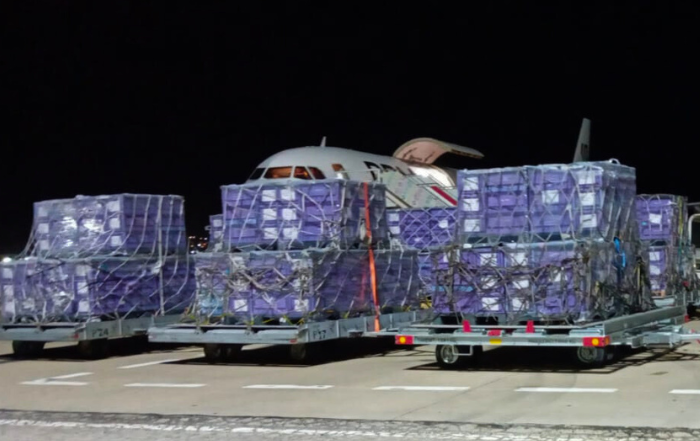
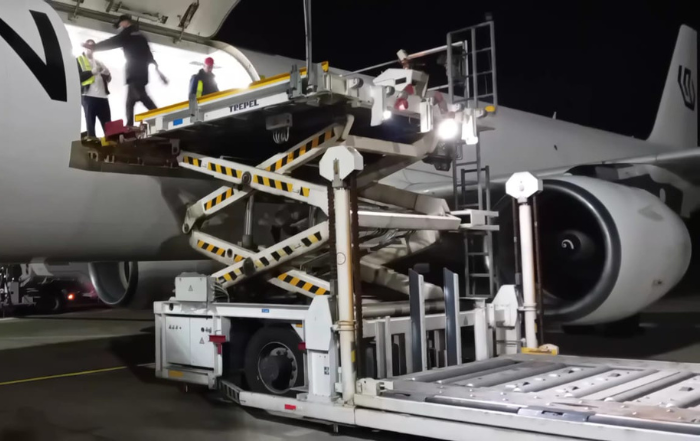
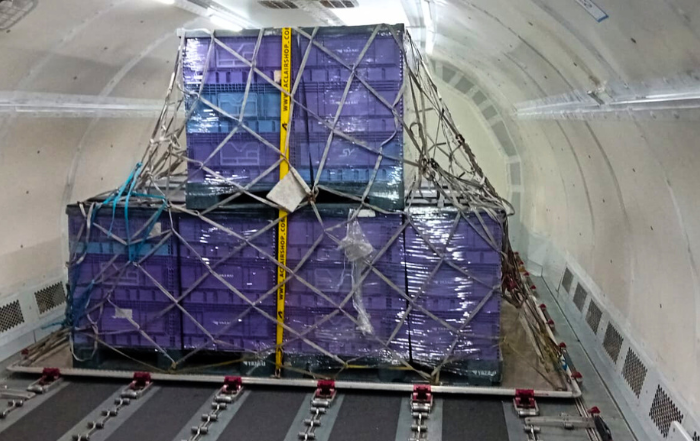
Charter flights from Morocco to Europe were organized, allowing a significant reduction in transit times and preventing the accumulation of delays. Careful operational coordination, constant communication with partners, and continuous monitoring of the transport stages ensured secure deliveries under controlled conditions.
For clients, the benefits were clear: operational stability, predictability, and reduced exposure to risks generated by regional disruptions.
More than a service provider – a logistics partner
Crisis situations highlight the difference between a simple service provider and a genuine logistics partner.
WMT’s approach focused on clear solutions rather than obstacles. Instead of delayed reactions or uncertainty, the response was structured, fast, and well-coordinated. Transparent communication and adaptability enabled clients to continue their operations without major disruptions.
Conclusion
Logistics disruptions are sometimes unavoidable. The real difference lies in how they are managed.
Faced with regional challenges and the operational pressure generated by the disruptions in Serbia and Morocco, World MediaTrans implemented adaptive strategies to maintain stable and reliable cargo flows.
When operational pressure increases, clarity, speed, and coordination become essential.
